

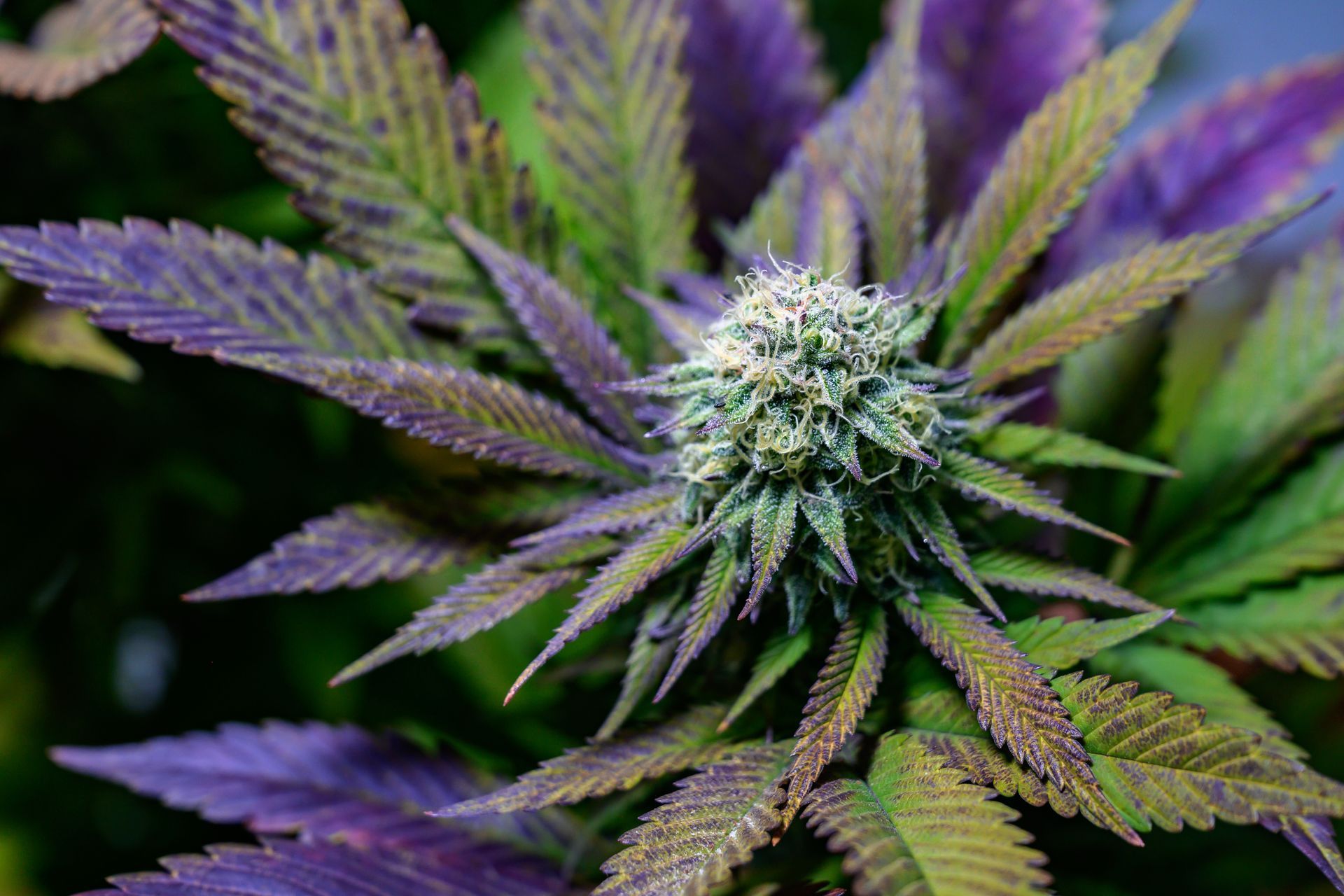
Terpenes are found in the trichomes of female cannabis plants. Trichomes are resin glands that cover the surface of the buds, leaves and stems that produce the terpenes. Some of the terpenes found seem to aid in the plant’s survival. Some may attract or repel certain insects. They seem to support the plant’s immune defenses. The grow conditions such as temperature and humidity can affect the quality of the terpenes. Research into the effects of terpenes is a fairly new development.
Understanding Cannabis Terpenes
Terpenes are naturally occurring chemical compounds found in plants and a few animals. They are the aromatic compounds that give fruits and vegetables their flavor, color and aroma. There have been 146 terpenes identified in cannabis. Only a few of them have been linked to special effects.
Understanding Cannabis Terpenes
In addition to cannabinoids such as THC and CBD, cannabis contains naturally occurring aromatic compounds called terpenes. Different products can have different combinations and concentrations of terpenes, commonly referred to as a terpene profile.
Understanding terpene terminology can help you better interpret product labels and have more informed conversations about your medical marijuana options.
Personalized Treatment Guidance
No single product is right for every patient. Karen Monroe MD, will review your medical history, symptoms, and treatment goals to recommend medical marijuana products and methods of administration that best support your individual needs and treatment efficacy.
The Terpene Directory
Terpenes are found in the trichomes of female cannabis plants. Trichomes are resin glands that cover the surface of the buds, leaves and stems that produce the terpenes. Some of the terpenes found seem to aid in the plant’s survival. Some may attract or repel certain insects. They seem to support the plant’s immune defenses. The grow conditions such as temperature and humidity can affect the quality of the terpenes. Research into the effects of terpenes is a fairly new development.
Bisabolol
Possible anti-microbial and anti-bacterial agent. Sweet floral smell. Found in chamomile.
Borneol
Anti-inflammatory , decreases pain, possible anxiety relief. Herbal and minty.
Camphene
Used for skin diseases such as eczema and psoriasis. Used as an anti-oxidant. Also purported to have some effect on lowering triglycerides and cholesterol. Musky earthy scent.
Beta-caryophyllene
Activates CB2
It is the only terpene that activates CB2. It acts as a cannabinoid. It may decrease inflammation and pain. It may also help with stress relief. Possible anti-malarial. Appears to be non psychoactive. This means that there is no “high” associated with it. Spicy, peppery and cinnamon flavor and aroma. Found in black pepper and cloves.
Delta 3 Carlene
Used as a bone stimulant. Anti-inflammatory properties. Possibly potentiates fracture repair. Sweet earthy aroma. Found in pine, rosemary and basil.
Eucalyptol
Potential cardiovascular, respiratory and neurological benefits. Cool, spicy and minty. Found in tea tree and thyme.
Geraniol
Activates CB1
May alleviate pain and inflammation. Possible anti-fungal and anti-bacterial. Possibly neuroprotective and an anti-oxidant. Found in geraniums and lemons. Sweet rose citrus scent.
Humulen
Activates CB1
Anti-inflammatory, anti-allergy. May be an appetite suppressant. Found in hops, sage, ginger, ginseng and coriander. Spicy, herbal and bitter.
Limonene
Activates CB1
Possible anti-inflammatory and pain reliever. Appears to help with focus and energy and anxiety relief. Possible anti-bacterial and anti-fungal. Possible death of breast cancer cells. May decrease gastrointestinal-esophageal reflux symptoms. May help with memory. Citrusy, sour and floral. Found in citrus fruits.
Linalool
Activates CB1
May help with pain relief and sedation. Used for anxiety. Possible local anesthetic. Floral and sweet profile. Found in lavender.
Myrcene
Activates CB1
Used for insomnia, pain and muscle relaxation. Has also been used in the treatment of depression. Anti-inflammatory. Dank, lush and murky. Found in hops and black pepper.
Beta-pinene
Activates CB1
Found in pine and sap. Piney and minty. Appears to be an anti-inflammatory with possible favorable effects on the respiratory system such as bronchodilation.
Phytol
Helps with relaxation. Possible anti-fungal and anti-oxidant. Has a grassy balsamic aroma. Found in raspberries, green tea and cabbage.
Terpinolene
Possible pain relief and relaxation. May be anti-bacterial and anti-fungal.Found in fruit trees, cumin, nutmeg, lilac and tea tree. Citrusy, floral and herbal aroma.
Trans-Nerolidol
Possible antifungal and sedative. Possible action against Leishmanias and malaria. Found in tea tree, jasmine and ginger.
Valencene
Uplifting. Found in citrus and mangos. Sweet citrusy aroma.
Different cannabis plants and products can contain different combinations and concentrations of these compounds. This combination is often called a terpene profile.
The Entourage Effect
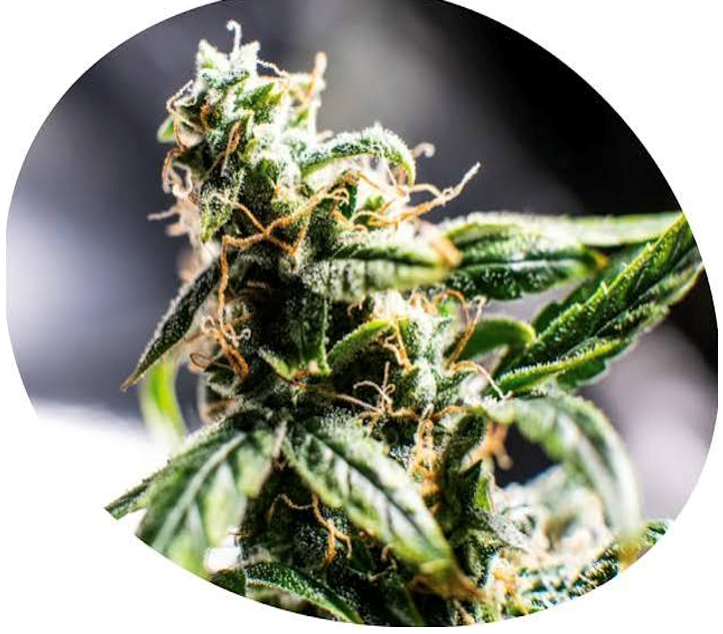
Recent research focuses on the effects produced by terpenes, CBD, and THC together. It has been suggested that the effects of these compounds taken in combination may be far greater than when they are taken separately. This powerful synergy is known as the Entourage Effect.
1974 Study
Explored the possibility that terpenes in cannabis, when combined with THC, CBD, and CBN, produced a greater overall effect on the participant than THC alone.
2003 Study (Wilkinson et al.)
Demonstrated that full muscle relaxation and relief in spasticity was achieved more quickly with a standardized cannabis extract compared to pure THC. A THC-free extract had no effect, supporting the theory that THC is not solely responsible for the plant's full effects.
2011 "Taming THC" (Ethan B. Russo)
Posited the theory that terpenes seem to inhibit the euphoric effects of THC, which increases the therapeutic index. A higher therapeutic index indicates that a drug is safer and has a wider margin between toxicity and safety.
References
- Stone, Emma. Leafly updated July 30, 2025
- Carlini, EA. et al, “The Effects of Marijuana in Laboratory Animals and in Man”, British Journal of Pharmacology, February, 1974, 209-309.
- Wilkinson, JD. et al, “Medical Cannabis: is delta9-tetrahydrocannabinolnecessary for all of its Effects.”, Journal of Pharmacy and Pharmacology, Vol 55, Issue 12, December, 2003, 1687-1694.
- THC Farmer. “Taming THC: Potential Cannabis Synergy and Phytocannabinoid- terpenoid Effects.”
- Russo, Ethan B. British Journal of Pharmacology. 2011. August. The British Pharmacological Society. 1344-1364
- Sammano, Sarana Rare. Et al. molecules 2020
Learn More About Your Treatment Options
Choosing a medical marijuana physician is an important decision. We're committed to providing compassionate care, trusted guidance, and personalized support every step of the way.
We've helped patients throughout Pinellas County navigate Florida's medical marijuana program since 2017 with personalized, physician-led care. Call (727) 300-0933 today to schedule your consultation and discuss your treatment options.